Tyler Pederson
Master Distiller · Seattle, Washington
Most whiskey conversation starts in the glass. Mine starts in a field.
I'm Master Distiller at Westland Distillery in Seattle, where I've spent thirteen years and worked every job on the floor before taking this one: mashman, distiller, head stillman, production manager, distillery manager.
I came to production from the other end of the trade. I grew up in a family that owned restaurants and worked both sides of the house, then bars, a brewery and a hotel, and two years as a market manager for Washington and Oregon before I ever ran a still. I still spend a good part of the year working with the trade, running staff trainings and masterclasses and building relationships in front of and behind the bottle.
My production work is the part of whiskey making most people assume is formulaic: choosing the raw materials, and running the equipment that turns them into the alcohol that fills a barrel. Peat and malt flavor on one side, thermodynamics, stainless steel and copper on the other. I care about where flavor actually comes from, about making it more efficient than we did the day before, and about whether any of those details survive the trip into your glass.
In 2023 I was named Distillery Manager of the Year by Whisky Magazine's Icons of Whisky awards, for the Americas and then globally.
I have worked on nearly all of it, and it is a loop rather than a line: what comes out of the glass decides what goes back in the ground. Everything below is a chapter of the same question, which is where the flavor actually comes from and what it costs to make.
Four things I love to dive into
What it's like to work with American peat
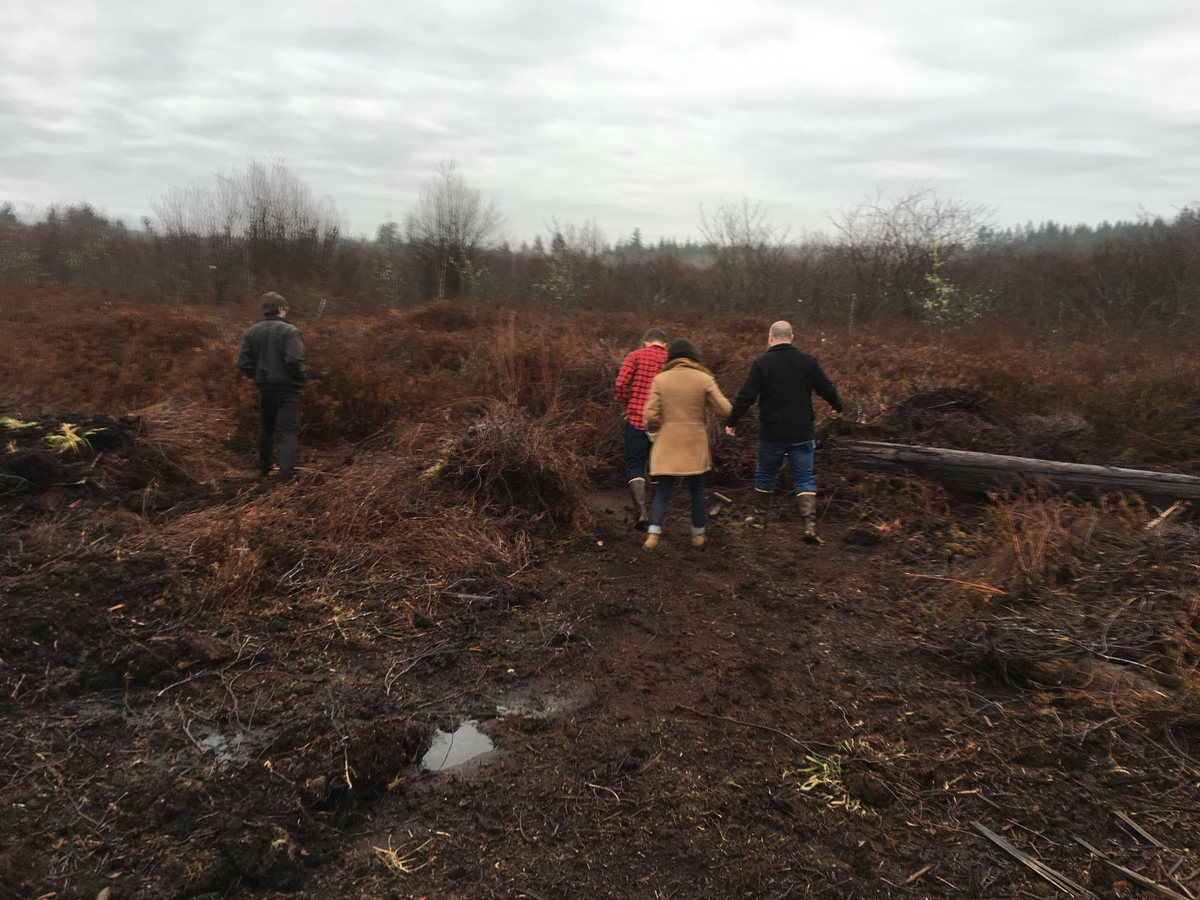
Peat cut from Washington's Olympic Peninsula rather than imported from Islay. How it differs, what it does to a spirit, and what cutting it responsibly means. The thing I get asked about most, and the one where the answer keeps changing as we learn more.
What a barley variety actually tastes like
More than thirty varieties distilled under one procedure, from landraces to modern elite hybrids, and about a dozen different malting and kilning regimes. Most of the industry still buys malt on a specification sheet alone, and most supply chains cannot preserve a grain's identity along the way. There are a few real opportunities down this path and a great many obstacles.
Halving what it costs to make a liter of spirit
A full rebuild of a flagship single malt process, with the efficiency numbers to go with it, and the parts that didn't work, including a year of carbon capture R&D that ended in a wind-down and a finding nobody has published.
What happens between the mashbill and the bar
I sold and served before I made anything, and I still run staff trainings, masterclasses and buyer education. Most people in production have never worked the other end, and it changes what you think is worth doing to a spirit in the first place.
What I've done
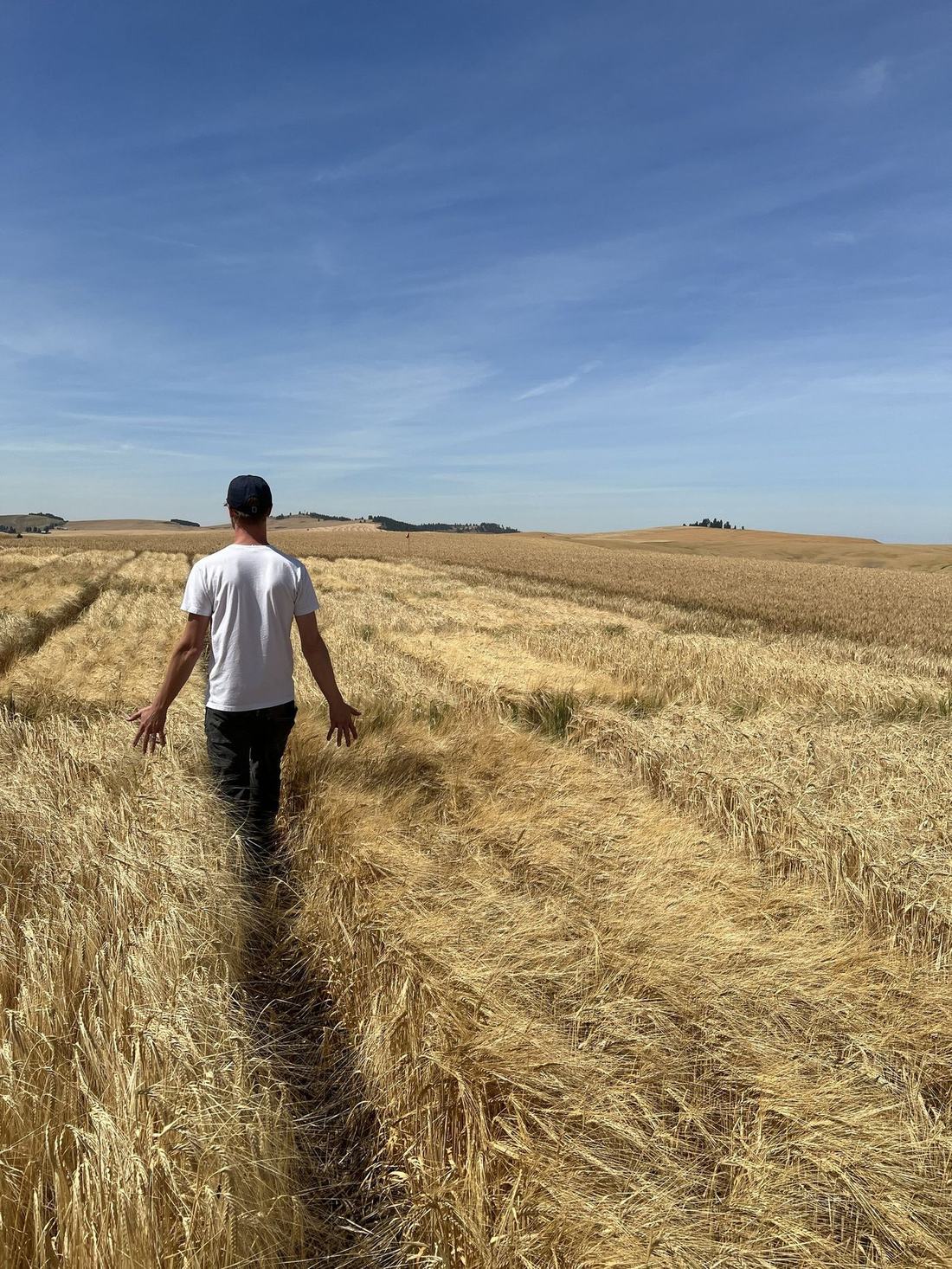
More than thirty barley varieties, one procedure
Landraces, heritage varieties and modern elite hybrids. Over my time at Westland we have distilled more than thirty of them, and close to a dozen arrived with malting and kilning regimes written for that grain rather than borrowed from the commodity spec. I was part of all of it, at the still making cuts or handling selection, procurement and process management.
The control is the point. It all went through one standard operating procedure, so what survives into the spirit is the variety and the malt rather than a change of method. It is not published research and I would not claim it as such. It is a working library of what barley actually does, built one distillation at a time.
I have not found another distillery that has run more in the same period, and I would be glad to be corrected. Malt partners include Skagit Valley Malting, LINC Malt, Mainstem Malt and Admiral Maltings; grain comes from the Skagit Valley in small lots and from farmers in the Palouse growing modern hybrids and landrace heritage varieties.
Hot steep trials for the WSU Bread Lab program
Westland funded a four-year barley breeding program at the WSU Bread Lab extension, led by Louie Prager, producing 72 unique lines and four mixed populations selected for low-input organic growing. The program and the research are theirs. My part was the flavor side: I ran the hot steep trials and advised on the whiskey end of the question.
A year inside a carbon capture project
We installed what I believe was the first small-scale carbon capture system in a North American distillery. The equipment was built for breweries, and it took a year of R&D to make it work on distillery gas — the ethanol was binding to the same adsorption sites as the sulfur we were trying to remove. We got there: beverage-grade purity. The project was wound down afterwards, but the journey uncovered some interesting engineering. It has never been written up.
A flagship rebuilt from the mashbill up
Mashbill redesign, milling and mashing optimization, capped fermentations, a wastewater treatment tank with a tube-in-shell heat exchanger, a resized hot liquor tank and a revised CIP regime. Water consumption down 52%, natural gas down 32%, raw material cost down 14%, daily yield up 36%.
Domestic peat
Work with peat cut from the Olympic Peninsula rather than imported from Scotland. What American peat smells like, and what it means to use it responsibly.
Thirteen years in front of the trade
Masterclasses, staff trainings, store tastings, on-premise education and the buyer conversations behind them. Before Westland I spent two years as market manager for Washington and Oregon at Tipton Spirits, and before that I worked in restaurants, bars, a brewery and a hotel. It is the part of the background that explains why I evaluate malt the way I do: somebody eventually has to decide whether to order a second one.
A dedication to doing it the right way
Westland holds Energy Star certification — one of very few craft distilleries to pursue it since the program opened to the category in 2023 — and is a Certified B Corporation, with EnviroStars recognition going back to 2020. These are the distillery's, and all of them predate the redevelopment above. Sustainable development was the focus of my studies, and the team I am part of was recognized for it in 2025. I am also the person the trade tends to ask about how the Energy Star process actually works.
Awards
- 2023Distillery Manager of the Year — Winner, GlobalWhisky Magazine, Icons of Whisky
- 2023Distillery Manager of the Year — Winner, AmericaWhisky Magazine, Icons of Whisky America
- 2025Distillery Manager of the Year — Highly CommendedWhisky Magazine, Icons of Whisky America
During my tenure the distillery was also named Icons of Whisky America Sustainable Distillery of the Year and Production Team of the Year, both in 2025. Those belong to the team.
Where I turn up
- 2026Workshop leaderAmerican Society of Brewing Chemists conference
- 2023PresenterASBC / MBAA Raw Materials Symposium
- CurrentDistillation advisory committee memberAmerican Society of Brewing Chemists
- CurrentIndustry advisor, American Single Malt curriculumEdinburgh Whisky Academy
- 2018–20Chair, Education CommitteeWashington Distillers Guild
Featured in
Forbes · Robb Report · Maxim · Whisky Advocate · Whisky Magazine · VinePair · InsideHook · Imbibe · Gear Patrol · Tasting Table · WhiskyCast · The Whiskey Wash · The Spirits Business · Spirits & Distilling · Distiller · Bourbon+ · Barron's PENTA · Sourced · Beverage Master · Modern Bar Cart · Northwest Beer Guide · KOMO Refined · American Dream TV
Recent
- 2026Reaching for the StarSpirits & Distilling, Gabe Toth — Energy Star certification
- 2026West of Tradition: A New Chapter in American WhiskeyDocumentary directed by Greg W. Swartz for Blacksmith & Jones · streaming on Amazon Prime Video
- 2026Hot Stove RadioKIRO 97.3 FM, Seattle — with Tom Douglas and Loretta Douglas
- 2026Using Specialty Malts to Build Character in SpiritsSpirits & Distilling, Jacopo Mazzeo
- 2026The Garryana HeistInsideHook, Kirk Miller
- 2026One of the Best American Single MaltsRobb Report, Jonah Flicker
- 2026Beer Cask No. 1Northwest Beer Guide, Paul Orchard
- 2025American PeatSingle Malt Frontier, Ep. 53
- —From Homebrewer to Master DistillerBartender Spirits Awards
- —Spilling the Tea on American Single MaltModern Bar Cart, Ep. 283
- —Interview: Tyler Pederson, Master DistillerSourced Journeys
A full interview log going back to 2023 is available on request.
Teaching the trade
- OngoingMarket programsWashington and California — classes, dinners and on-premise education
- 2026MasterclassMultnomah Whiskey Library, Portland
- 2026Staff training and store tastingsVirginia ABC
Bio, three lengths
Tyler Pederson is Master Distiller at Westland Distillery in Seattle. He came up through restaurants and the market side, and was 2023 Icons of Whisky Distillery Manager of the Year.
Tyler Pederson is Master Distiller at Westland Distillery in Seattle, where he has worked for thirteen years and held every production role on the way up. He came to distilling from the other end of the trade: a family in the restaurant business, years in bars and hotels, and two years as a market manager for Washington and Oregon. His production work centers on raw materials and plant engineering, including a flagship rebuild that cut water use by 52% and gas by 32% while raising yield by 36%. He has distilled more than thirty barley varieties under a single procedure, from landraces to modern elite hybrids. He still runs staff trainings and masterclasses. He was named Icons of Whisky Distillery Manager of the Year in 2023, globally and for the Americas.
Tyler Pederson is Master Distiller at Westland Distillery in Seattle. He grew up in a family that owns restaurants and worked both sides of the house, then in bars, a brewery and a hotel, before spending two years as market manager for Washington and Oregon at Tipton Spirits. He joined Westland in 2013 as a mashman and worked through every production role, including distiller, head stillman, quality, production manager and distillery manager, before being appointed Master Distiller in 2023. He came to single malt from bourbon, rye and homebrewing. His production work centers on raw materials and plant engineering. He rebuilt Westland's flagship process from the mashbill up, reducing water consumption by 52% and natural gas by 32% while increasing daily yield by 36%. He also led a year-long R&D project on small-scale carbon capture, believed to be the first such installation in a North American distillery, taking it to beverage-grade purity before it was wound down. On the raw materials side he has distilled more than thirty barley varieties under a single procedure, from landraces and heritage grains to modern elite hybrids, roughly a dozen of them on malting regimes written for the variety rather than the commodity spec. He also ran the hot steep sensory trials for the four-year barley breeding program Westland funded at the WSU Bread Lab, and he works with peat cut from Washington's Olympic Peninsula rather than imported from Scotland. He continues to work the market side, running staff trainings, masterclasses and on-premise education. In 2023 he was named Distillery Manager of the Year by Whisky Magazine's Icons of Whisky awards, for the Americas and globally.
Free to use with credit
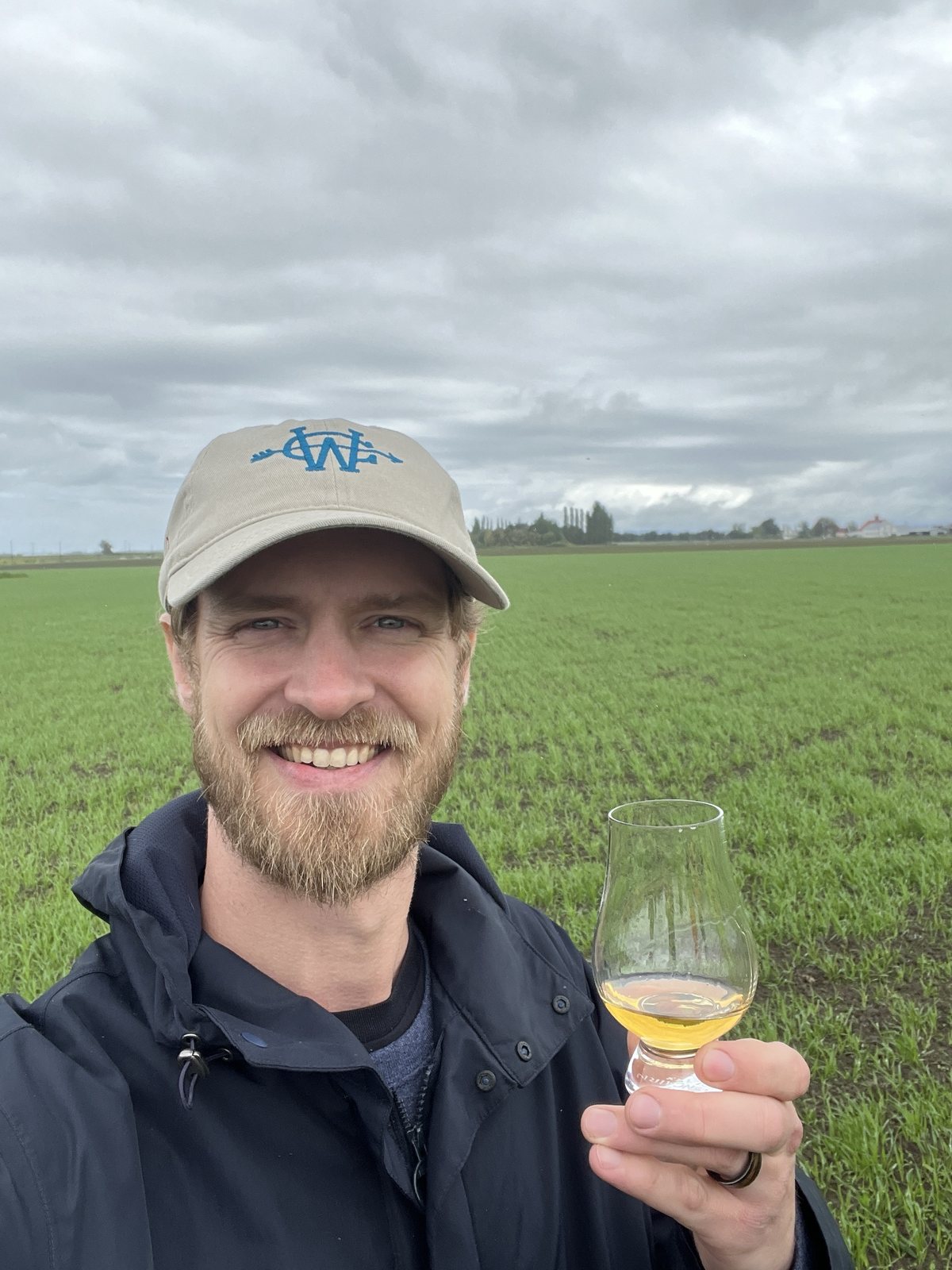
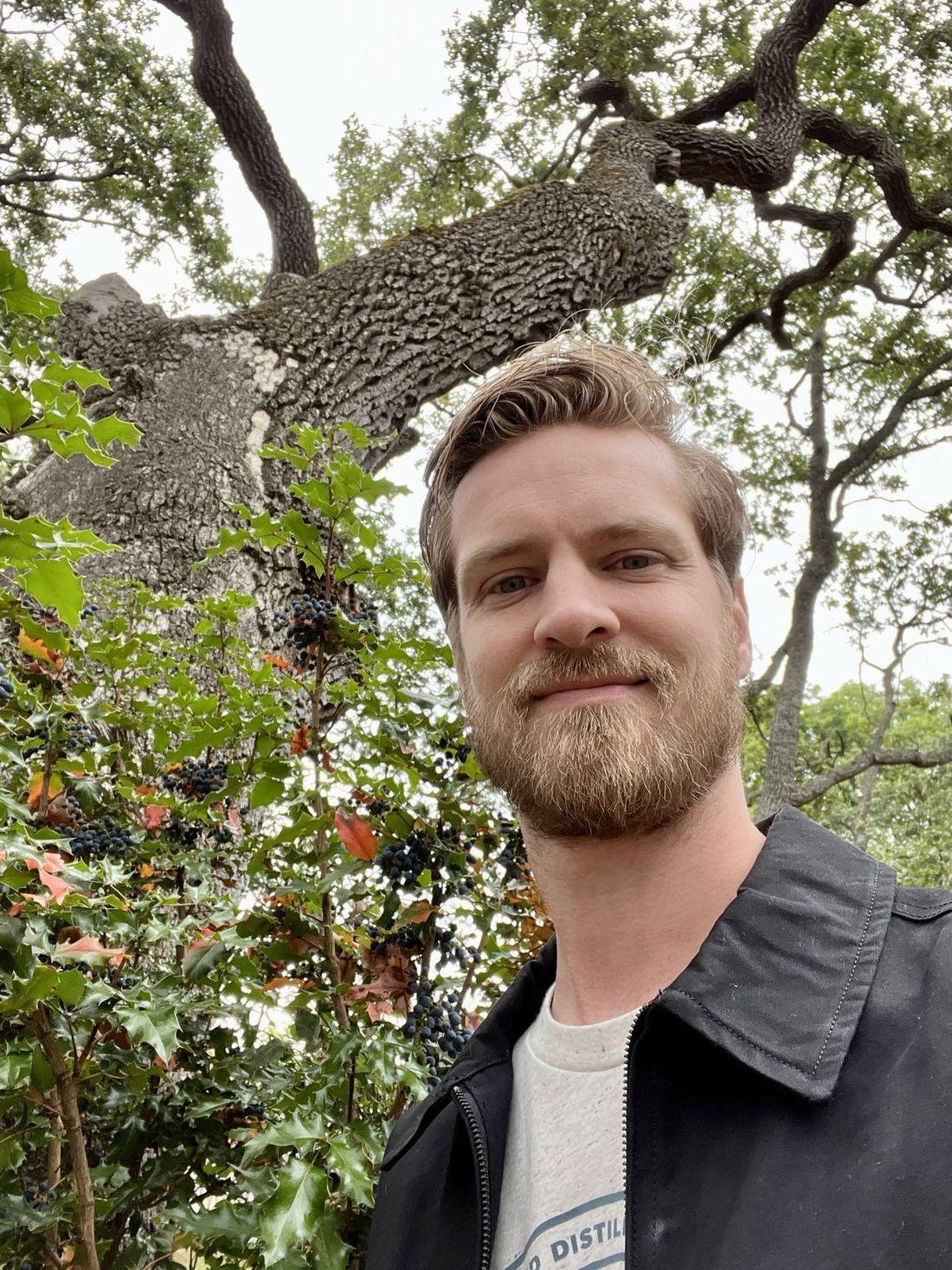
Photographs by Tyler Pederson. Free to use with credit. Higher-resolution files on request.
Get in touch
For interviews, speaking, technical questions, or if you're a distillery working on grain provenance, process efficiency or certification and want to compare notes.